
When planning a new garage, one of the most important decisions you’ll make is size. Too small, and you’ll quickly outgrow it. Too large, and you may face zoning constraints or unnecessary costs. At Alberta Builder Services Ltd., we help homeowners across the Greater Edmonton area design right-sized, future-ready garages that fit their property, lifestyle, and long-term needs.
This guide breaks down common garage sizes, what they’re best used for, and the key considerations that should influence your decision before you build.
Why Garage Size Matters More Than Most Homeowners Expect
A garage is no longer just a place to park vehicles. For many Alberta homeowners, it also functions as:
- A workshop or hobby space
- Storage for seasonal equipment
- A place to protect vehicles from extreme weather
- A future conversion or flex space
- A buffer between home and outdoors
Choosing the correct garage size ensures your investment delivers practical value today and flexibility tomorrow.
Common Garage Sizes (and Who They’re Best For)
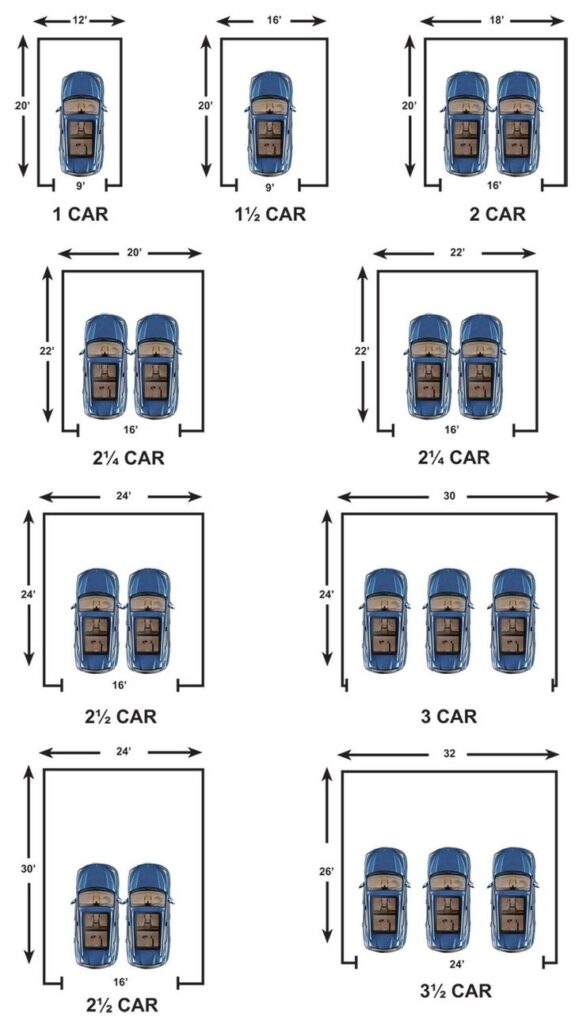
Single-Car Garage
Typical Size: 12’ × 20’ to 14’ × 24’
Single-car garages work well for:
- Small urban lots
- Homeowners with one vehicle
- Supplemental storage or workshop use
Limitations:
Most modern vehicles fit tightly, leaving limited space for storage, bikes, or workbenches. Single garages are often outgrown quickly.
Best for:
Urban infills, laneway homes, or properties with strict lot coverage limits.
Double-Car Garage
Typical Size: 20’ × 20’, 22’ × 22’, or 24’ × 24’
The most common garage size in Alberta, double garages offer:
- Comfortable parking for two vehicles
- Room for shelving or wall storage
- Better resale appeal
Design Tip:
We often recommend 22’–24’ depths to allow for trucks, SUVs, and safe door clearance.
Best for:
Suburban homes, growing families, and resale-focused builds.
Triple-Car Garage
Typical Size: 30’–36’ wide × 22’–26’ deep
Triple garages are ideal when you need:
- Additional vehicle space
- Dedicated workshop or storage bay
- Separation between daily drivers and recreational vehicles
They can be configured as:
- Three side-by-side bays
- Two bays plus a tandem bay
Best for:
Acreages, corner lots, or homeowners planning long-term use.
Oversized & Custom Garages
Typical Size: 26’ × 30’, 30’ × 40’, or larger
Custom garages allow you to design around how you actually live, not a standard template. These garages commonly include:
- Heated workshop zones
- Tool walls and cabinetry
- RV or boat clearance
- Future suite or loft potential (subject to zoning)
Best for:
Acreage properties, tradespeople, hobbyists, and long-term homeowners.
Key Factors That Should Influence Your Garage Size
Custom garages allow you to design around how you actually live, not a standard template. These garages commonly include:
- Heated workshop zones
- Tool walls and cabinetry
- RV or boat clearance
- Future suite or loft potential (subject to zoning)
Best for:
Acreage properties, tradespeople, hobbyists, and long-term homeowners.
Key Factors That Should Influence Your Garage Size
Typical Size: 26’ × 30’, 30’ × 40’, or larger
1. Vehicle Dimensions (Not Just the Number of Vehicles)
Modern trucks and SUVs require significantly more space than older vehicles. Width, door swing clearance, and tailgate access all matter.
2. Storage & Functional Use
Ask yourself:
- Will you store snowblowers, lawn equipment, or ATVs?
- Do you want wall-mounted storage or overhead racks?
- Will this be a working garage or just parking?
3. Lot Size & Municipal Regulations
Garage size must comply with:
- Lot coverage limits
- Setbacks
- Height restrictions
At Alberta Builder Services, we design garages that maximize usable space while remaining fully code-compliant.
4. Future Needs
A garage should grow with you. Planning now for:
- Additional vehicles
- Lifestyle changes
- Aging-in-place accessibility
can save significant cost later.
Garage Height: The Often-Overlooked Dimension
Width and depth matter — but height is critical.
Common wall heights include:
- 8’ walls (basic storage)
- 9’–10’ walls (lifts, tall storage, overhead doors)
Higher walls allow:
- Better lighting
- Increased storage
- More flexible mechanical layouts
Why “Bigger Isn’t Always Better”
A larger garage increases:
- Foundation costs
- Framing and roofing complexity
- Heating and operational expenses
Our approach focuses on purpose-driven design — building a garage that works efficiently without unnecessary square footage.
How Alberta Builder Services Helps You Choose the Right Garage Size
We don’t use one-size-fits-all packages. Instead, we:
- Review your property and municipal requirements
- Discuss how you’ll actually use the space
- Design a garage that balances cost, function, and future value
- Build with a focus on quality, durability, and long-term performance
Whether you’re planning a simple detached garage or a large custom shop, we guide you through the process from concept to completion.
Planning a Garage Build in the Greater Edmonton Area?
If you’re considering a garage build and want expert guidance on size, layout, and design, Alberta Builder Services Ltd. is here to help.
👉 Contact us today to start planning a garage that fits your needs — not just your driveway.